Cat Card Embroidery Design Review
First Impressions of Cat Card
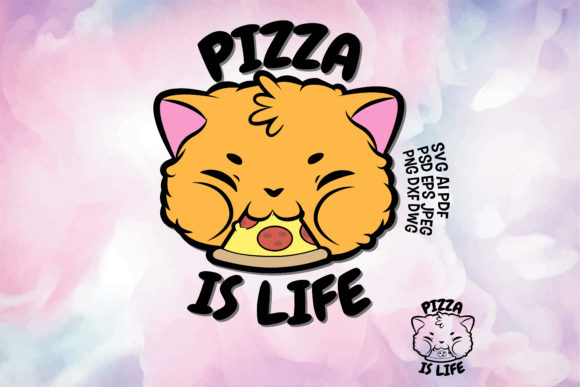
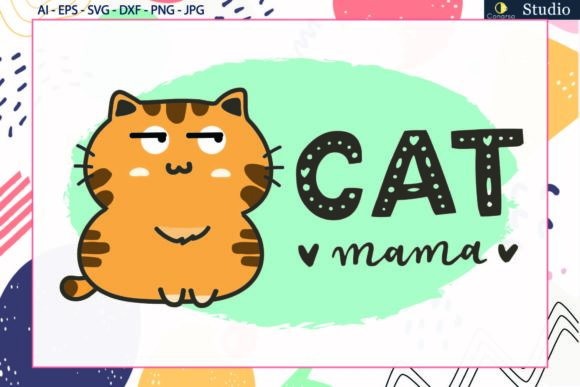
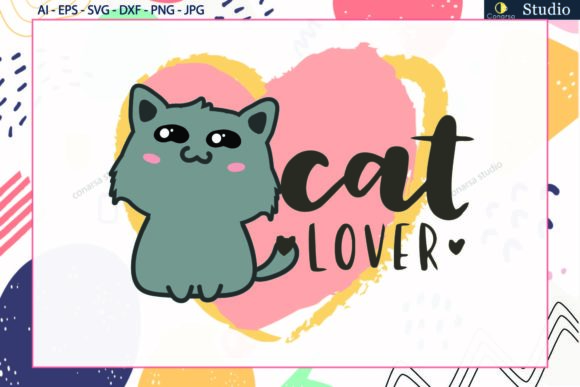
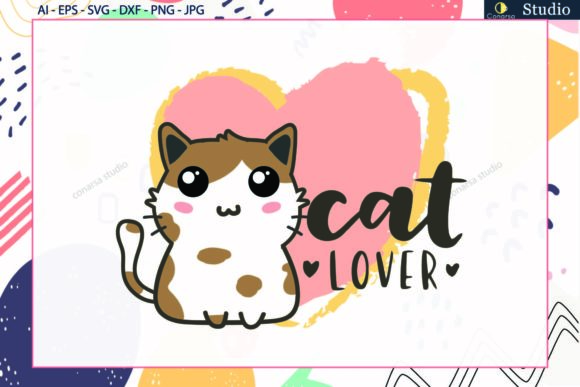
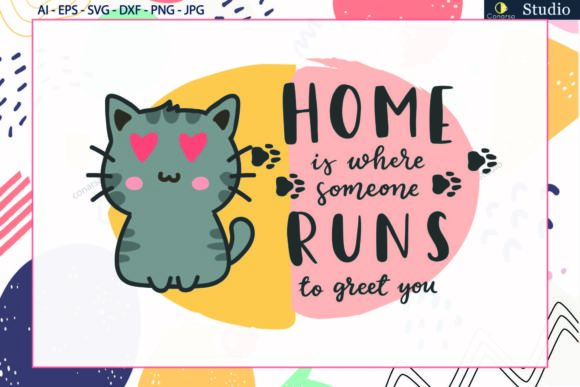
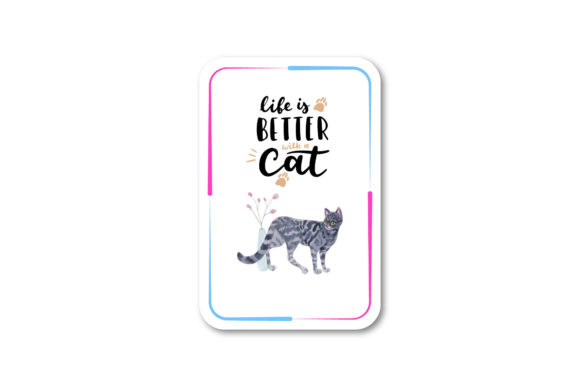
When I first opened the Cat Card design file, it immediately caught my eye with its soft, playful aesthetic. The cat illustration has a gentle curve to its lines and a subtle shading that gives it a three-dimensional feel. It’s not overly detailed, which makes it feel approachable and versatile for a wide range of embroidery projects. The mood it creates is warm and inviting—perfect for items like baby clothes or personalized gifts.
The layout is balanced, with the cat centered in the composition. This makes it ideal for use on flat surfaces like tote bags or pillow covers. The level of detail is just right—not too intricate that it becomes overwhelming, but enough to give it character. I can see this design fitting well into a handmade product line or even as a custom apparel feature on a sweatshirt or cap.
Real-Life Scenario: Custom Embroidered Tote Bag
Let’s imagine using Cat Card on a custom embroidered tote bag. As an embroidery designer, I’d start by visualizing how the cat would look stitched onto a cotton canvas. The soft curves and rounded edges of the cat would translate well into satin stitch or fill stitch, creating a smooth and clean finish. I can picture this design adding a touch of charm to a reusable tote, making it a great personalized gift or a unique item for a small shop.
However, I’d also consider how the design would react to different fabrics. If the tote is made from a stretchy or textured material, I might need to adjust the stitch density or add more stabilizer to keep the image crisp. On a dark fabric background, the thread color contrast becomes crucial. Testing the design on scrap fabric first would be a good step to ensure the final look meets expectations.
This design could also work well as an embroidered patch or part of a larger apricot embroidery project. Its simplicity allows for creative freedom, whether you want to place it alone or combine it with other elements.
Where to Use Cat Card Carefully
While Cat Card is a versatile design, there are certain situations where extra attention is needed. For instance, if you plan to use it on a small hoop size or a curved surface like a cap, the details may get lost or distorted. It's important to review the stitch density and make sure the design fits within the hoop without stretching or overlapping.
On thin or stretchy fabrics, such as a lightweight t-shirt or a baby onesie, using proper stabilizer becomes essential. Otherwise, the image might pucker or lose clarity after washing. Similarly, if the design is used on layered garments or products that require frequent washing, ensuring the thread colors are durable and the stitching is secure will help maintain the quality of the finished product.
For commercial use, especially as a digital embroidery file, it’s vital to confirm the licensing terms before selling any finished items or digital assets. Always check whether the design is suitable for both personal and commercial embroidery projects.
Visual Appeal and Practical Value
The Cat Card brings a sense of warmth and familiarity to any embroidered project. Whether it’s a holiday gift, a nursery decoration, or a boutique branding piece, the design adds a touch of personality without being too flashy. This makes it a great choice for Etsy sellers or craft business owners looking to offer something whimsical yet professional.
In terms of customer trust and product value, the design’s clean lines and recognizable theme contribute to a polished appearance. When used on a handmade item, it enhances the handmade presentation and helps create a consistent brand identity. It’s also highly adaptable, allowing for variations in color schemes or placement depending on the fabric or garment.
For small shop products or printable mockups, the design’s versatility means it can be used across multiple items, from aprons to tea towels. This increases its giftability and recognition among customers who appreciate thoughtful, well-crafted designs.
Embroidery Designer Notes
If you’re planning to use Cat Card in your next embroidery project, here are a few practical tips:
- Test on scrap fabric: Before committing to a full project, stitch the design on a sample piece to see how it looks and feels.
- Check thread color contrast: Ensure the thread colors stand out against the fabric background, especially on dark or busy textiles.
- Review stitch density: Adjust the stitch density based on the fabric type to avoid puckering or distortion.
- Confirm hoop size: Make sure the design fits comfortably within your chosen hoop size to prevent stretching or misalignment.
- Inspect small details: Zoom in on the design to check for any tiny elements that might get lost during embroidery.
- Test in black and white: See how the design translates in grayscale to understand its structure and clarity.
- Compare light and dark backgrounds: Test the design on both light and dark fabric to ensure it remains visually appealing in all scenarios.
- Use proper stabilizer: Especially on stretchy or thin fabrics, using the right amount of stabilizer ensures the design stays crisp and neat.
- Check licensing: Confirm whether the design can be used for both personal and commercial embroidery projects before selling any finished goods or digital assets.
Cat Card is a solid addition to any designer’s collection of machine embroidery designs. Its friendly and approachable style makes it a great fit for a variety of embroidery file uses, from custom apparel to holiday embroidery. With a little preparation and testing, it can elevate the look of any handmade product or small shop merchandise.